
Curriculum Overview
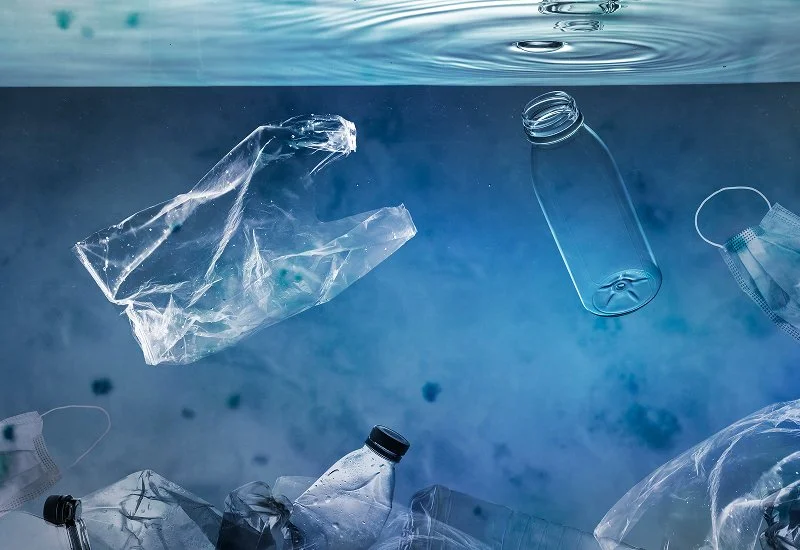
Be a Waste Hero: Learning the 5 R’s for a Cleaner Planet
Grade Level : K-3
In this lesson, students will read The Story of the Plastic Bag to begin an exploration of the 5 R’s of waste management. Students will discuss the many ways our debris can end up in the ocean, as well as the role they play in reducing marine debris. Students will identify items as something they can refuse, reduce, reuse, repurpose, or recycle and will sort picture cards into the correct category.
K-ESS3-3, 2-PS1-1, 3-LS4-4, K-2-ETS1-1
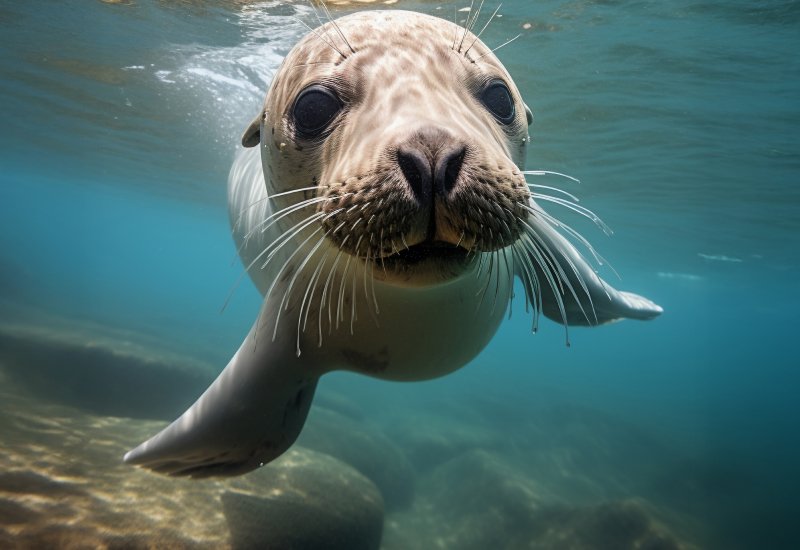
Flippers, Fur, and Fins: Meet California's Marine Superstars
Grade Level: K-1
In this lesson, students will explore the physical characteristics and adaptations of three marine mammals found along the California coast: the California sea lion, northern elephant seal, and the southern sea otter. Through movement, roleplay, and research, students will learn how these animals survive in their habitats and how Channel Islands Marine & Wildlife Institute (CIMWI) helps protect them.
K-LS1-1 , K-ESS3-1, K-ESS3-3, 1-LS1-1, 1-LS3-1
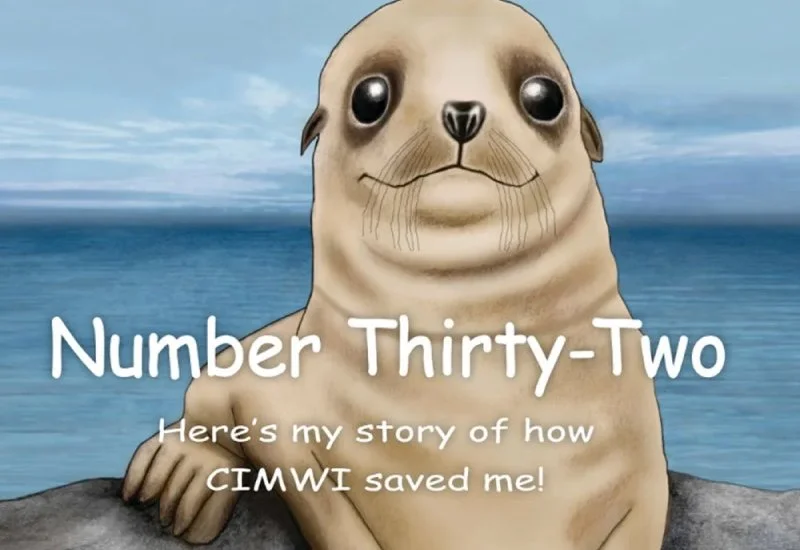
Animal Heroes: Saving Lives One Rescue at a Time
Grade Level : K-1
In this lesson, students will become ocean animal helpers as they learn how people care for injured or sick marine animals. Students will start by listening to a story called Number Thirty-Two that details the story of a sea lion pup that gets caught in a plastic bag and is eventually rescued and rehabilitated by Channel Islands Marine & Wildlife Institute (CIMWI) team. They will then explore what it means to rescue, rehabilitate, and release ocean animals. Using stuffed marine animals toys, students will practice bandaging, cleaning, and feeding their marine “patients” as they learn the basics of animal care. The lesson ends with a Release Party, where students celebrate helping their animals get healthy enough to return to the ocean!
K-ESS3-1, K-ESS3-3, 1-LS1-1, 1-LS3-1
Who Eats Who: Unraveling the Food Web
Grade Level : 2-3
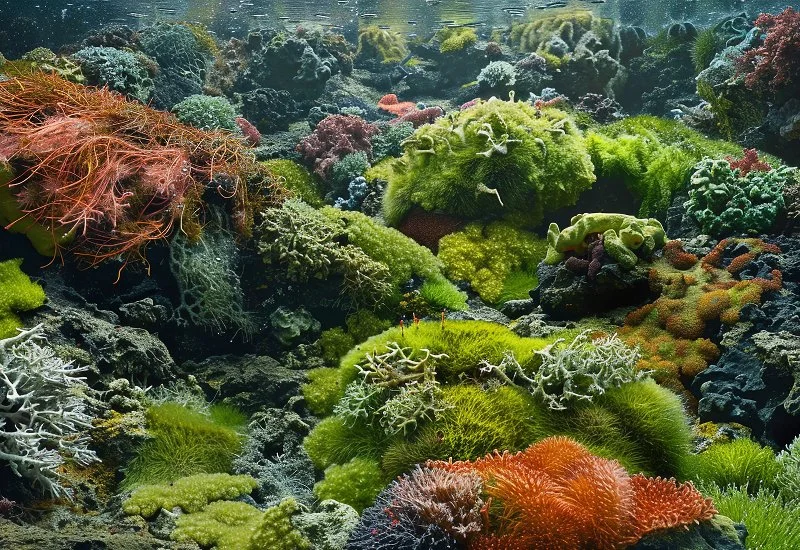
In this lesson, students will learn about the interconnected nature of the ocean ecosystem. They’ll discover how plants (called producers) get energy from the sun, how animals (called consumers) eat plants or other animals to get energy, and how decomposers help break down dead things to return nutrients to the ocean. Students will see a food web come to life as they pass a ball of string from producer to consumer to decomposer.
2-LS4-1, 3-LS4-3, 3-LS1-1
Tooth Tales: What Teeth Tell Us
Grade Level : K-1
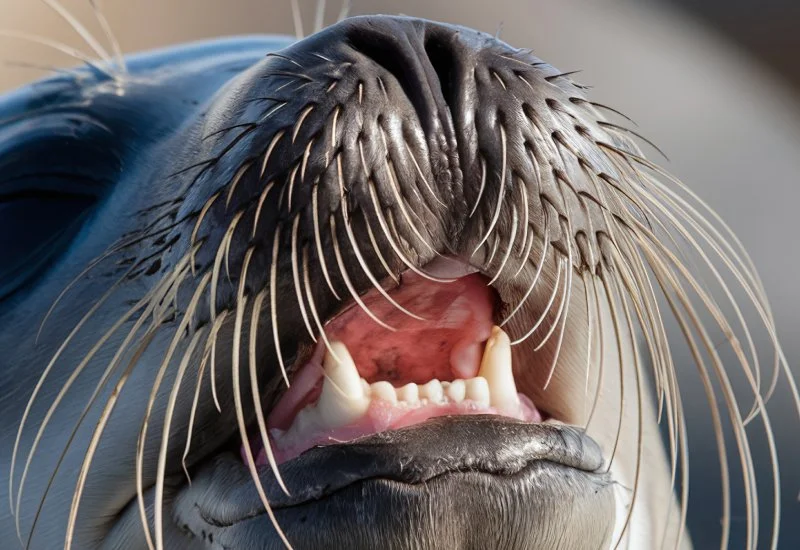
In this lesson, students will investigate the teeth of marine mammals to learn about what they eat, how they hunt, and how they have adapted to their environments. After examining photos of real marine mammal skulls and teeth, students will create their own tooth model out of clay, highlighting the features that help these animals survive in their habitat.
2-LS4-1, K-2-ETS1-2, 3-LS3-2, 3-LS4-3
Survival Superpowers: Amazing Marine Mammal Adaptations
Grade Level : 3-4
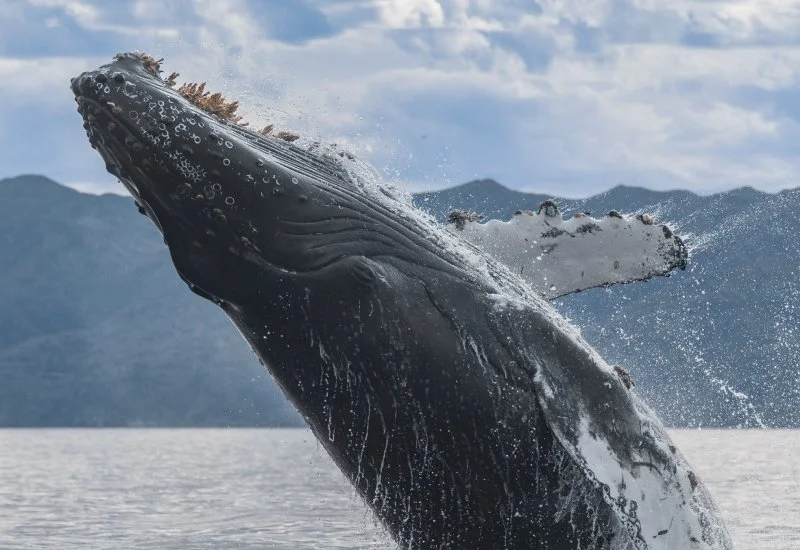
In this lesson, students will learn about adaptations through hands-on science stations led by an educator. They will learn about various marine mammal adaptations in five stations: (1) blubber, (2) fins, flukes, and flippers, (3) skin, (4) lungs, and (5) eyes.
MS-LS1-4, MS-LS4-4
Beach Patrol: How to Help Stranded Animals
Grade Level : K-1
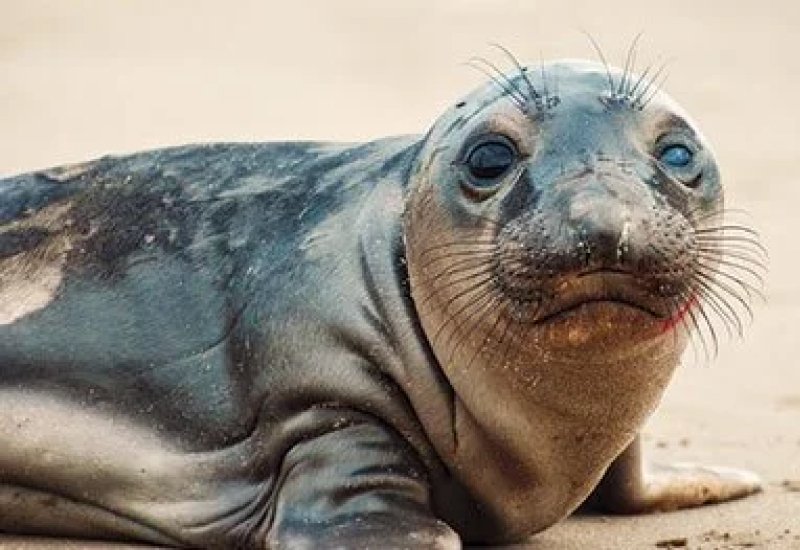
In this lesson, students will learn what a stranded marine mammal is by researching CIMWI (Channel Islands Marine & Wildlife Institute) website and using online resources. They will create a PSA (public service announcement) poster that is filled with scientific information, pictures, the CIMWI hotline, and what to do if a stranded animal is found. They will identify beaches and areas where animals could potentially be found.
3-LS4-3, 3-ESS3-1, 4-ESS3-1, 4-LS1-1
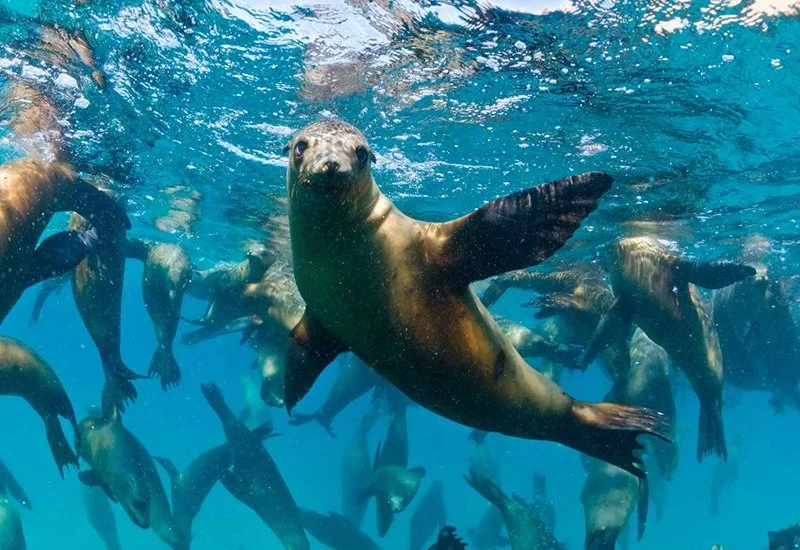
The Great Ocean Journey: Marine Animal Migrations
Grade Level : 3-6
In this lesson, students will work in small groups to research a specific marine animal to discover where, why, and how it migrates. Then, they will design a migration board game that simulates that animal’s migration journey, including obstacles, food stops, etc. At the end, groups will rotate around the room and play the games that their classmates have made.
3-LS2-1, 4-ESS3-1, 5-PS3-1, MS-ESS3–5
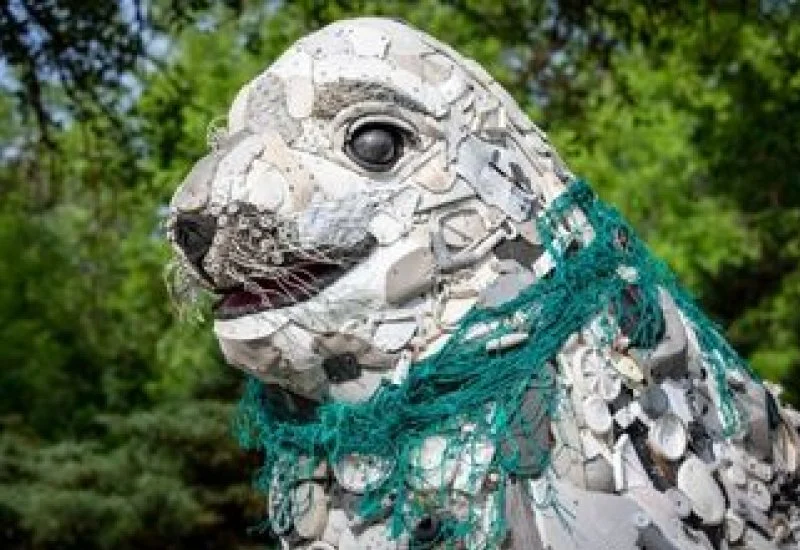
Trash to Treasure: Art with a Message
Grade Level : 4-5
In this lesson, students will read Number Thirty-Two to understand the threats faced by marine mammals, particularly from pollution in the ocean. Then, they will apply their understanding by designing and creating an art installation of a marine mammal using found or recycled trash, and write an artist statement that raises awareness about marine pollution.
3-LS4-4, 3-LS3-2, 4-ESS3-1
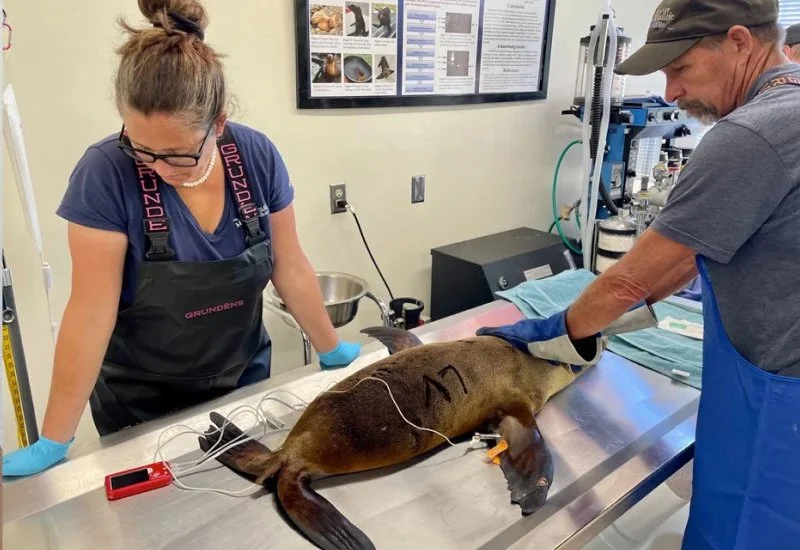
Dream Jobs Under the Sea: Marine Conservation Careers
Grade Level : 5-6
In this lesson, students will explore the many careers and volunteer roles involved in protecting marine mammals and aquatic habitats. Through interviews and guided research, students will develop investigative and interviewing skills while gaining a deeper understanding of the people working to protect ocean life. They will learn about a variety of roles, including environmental stewards, conservationists, veterinarians, wildlife biologists, park rangers, environmental or urban planners, environmental lawyers, habitat restoration specialists, environmental engineers, environmental photojournalists/filmmakers, wildlife rehabilitators, environmental consultants, fisheries biologists, and/or other important stakeholders for the protection of the oceans and discover the different paths individuals can take to make a positive impact on marine ecosystems.
5-ESS3-1, MS-ETS1-1
Ready to get started?
(Santa Barbara and Ventura, CA only)
Questions? Contact our education team: education@cimwi.org